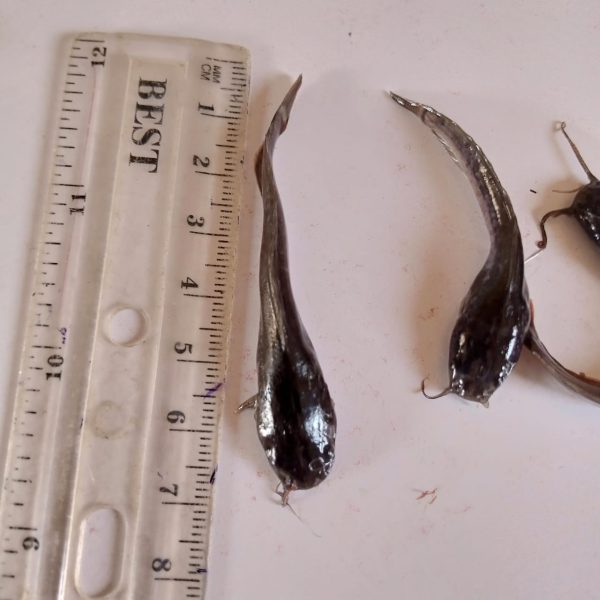
Catfish farming is one of the agricultural businesses Nigerians consider because fish is widely consumed in homes, restaurants, hotels and food businesses.
However, starting a profitable fish farm requires more than buying fingerlings and putting them inside a pond. You need proper planning, good-quality fish seed, suitable water, appropriate feed and regular monitoring.
If you are thinking about starting a catfish farm in Nigeria, this guide explains the important steps to take before investing your money.
1. Understand the Catfish Farming Business
Before starting, understand how the business works. A catfish farmer typically buys young fish, raises them to a marketable size and sells them to customers.
There are different ways to participate in the business:
- Grow-out farming: Buying fingerlings or juveniles and raising them until they reach market size.
- Hatchery business: Producing fingerlings for other fish farmers.
- Fish processing: Smoking, drying or otherwise processing harvested fish for sale.
- Fish marketing: Buying harvested fish from farmers and supplying retailers, restaurants and consumers.
For beginners, grow-out farming is often a practical starting point because you can learn the production process before considering more complex operations.
2. Choose the Right Location
Your farm location can affect your operating costs and the success of your production. Look for a place with reliable access to water, good drainage, security and convenient transportation.
Consider the following before choosing a location:
- Reliable access to clean water.
- Good drainage to prevent flooding.
- Easy access for transporting feed and harvested fish.
- Availability of electricity where pumps or aerators are required.
- Proximity to potential buyers and markets.
- Enough space for ponds, storage and future expansion.
Avoid locations that are frequently flooded or exposed to contaminated water sources.
3. Select a Suitable Fish Pond
Your pond is one of the most important parts of your fish farm. The right pond depends on your budget, available land, water supply and production plan.
Concrete ponds
Concrete ponds are durable and can be easier to clean and manage. However, construction may require significant initial investment.
Tarpaulin ponds
Tarpaulin ponds are popular with small-scale farmers because they can be installed in limited spaces. They still require a suitable support structure, proper drainage and regular water management.
Earthen ponds
Earthen ponds can support larger production systems where suitable land and water conditions are available. They require proper site assessment and pond preparation.
Do not choose a pond simply because it is cheap. Consider its water capacity, drainage, durability and the number of fish you intend to raise.
4. Buy Healthy Fingerlings or Juveniles
The quality of the fish you stock can influence your production results. Poor-quality or unhealthy fish may lead to high mortality, uneven growth and increased production costs.
Purchase your fingerlings or juveniles from a reputable hatchery or supplier. Ask about their source, age, size, health condition and previous handling.
Before buying, check for:
- Active swimming behaviour.
- Fish that appear healthy and free from visible injuries.
- Reasonably uniform sizes within the batch.
- Clear information about the hatchery or supplier.
- Proper transportation and handling arrangements.
Avoid stocking fish immediately after transporting them. Gradually acclimatise them to the pond water to reduce temperature and water-quality shock.
5. Prepare the Pond Before Stocking
Never rush to introduce fish into an unprepared pond. Clean and inspect the pond, check the water supply and confirm that the drainage system works properly.
Before stocking:
- Clean the pond and remove unwanted materials.
- Check for leaks and drainage problems.
- Fill the pond with suitable water.
- Check important water-quality conditions.
- Confirm that the pond can support the planned stocking level.
Stocking density should be determined by the pond system, water quality, aeration, water exchange, fish size and your management experience. Do not copy another farmer's stocking number without assessing your own conditions.
6. Feed Your Catfish Properly
Feed is one of the major operating expenses in catfish farming. Choosing suitable feed and managing feeding properly can help reduce waste and support healthy growth.
Use quality commercial fish feed that matches the size and nutritional requirements of your fish. Smaller fish generally require smaller feed particles, while larger fish can consume larger pellets.
Good feeding practices include:
- Use feed appropriate for the fish's current size.
- Follow the manufacturer's feeding guidance.
- Observe how quickly fish consume the feed.
- Avoid excessive feeding that leaves uneaten feed in the pond.
- Monitor fish appetite and growth regularly.
- Store feed in a dry, cool and protected place.
A sudden reduction in feeding activity may indicate poor water quality, stress or disease. Investigate the cause rather than simply increasing the quantity of feed.
7. Maintain Good Water Quality
Water quality is essential to catfish production. Even when fish receive good feed, poor water conditions can affect appetite, growth and survival.
Pay attention to:
- Dissolved oxygen: Fish need adequate oxygen, especially in intensive systems.
- Temperature: Sudden temperature changes can stress fish.
- Ammonia: Waste and uneaten feed can contribute to harmful ammonia levels.
- pH: Monitor water acidity or alkalinity and avoid sudden changes.
- Water clarity and cleanliness: Watch for unusual colour, odour or excessive waste accumulation.
Remove accumulated waste where appropriate, manage water exchange carefully and use aeration when required by your production system.
Do not wait until fish begin dying before checking water conditions.
8. Monitor Fish Growth and Health
Regular monitoring helps you identify problems early. Observe fish behaviour, appetite, swimming patterns and general appearance.
Sample fish periodically to assess their growth and size distribution. Use the results to review feeding, stocking and harvest plans.
If you notice unusual deaths, injuries, abnormal swimming or a sudden loss of appetite, investigate promptly. Seek advice from a qualified fisheries or aquatic animal health professional before using treatments or chemicals.
9. Keep Proper Farm Records
A fish farm should be managed with records, not guesswork. Keeping records helps you understand whether your business is making money or losing money.
Important records include:
- Number and size of fish stocked.
- Fingerling and juvenile purchase costs.
- Daily or weekly feed purchases and usage.
- Water management and maintenance expenses.
- Fish mortality and health observations.
- Sampling and growth records.
- Harvest quantity and selling prices.
- Other operating expenses and income.
These records help you calculate production costs, estimate profit and make better decisions for your next production cycle.
10. Plan How You Will Sell Your Catfish
Do not wait until harvest before looking for customers. Identify your market before stocking your pond.
Potential buyers include:
- Fish retailers and market traders.
- Restaurants and hotels.
- Smoked-fish processors.
- Food vendors and caterers.
- Households and direct consumers.
- Fish wholesalers and distributors.
Speak with potential buyers about their preferred fish sizes, expected quantities, delivery arrangements and current prices. This will help you plan production around actual demand.
How Much Does It Cost to Start Catfish Farming in Nigeria?
There is no single amount required to start a catfish farm. Your budget depends on the location, pond type, production capacity, water source, equipment and cost of feed.
Your startup budget should account for:
- Pond construction or installation.
- Water supply and storage.
- Fingerlings or juveniles.
- Fish feed for the production cycle.
- Pumps, pipes and aeration equipment where necessary.
- Labour and transportation.
- Maintenance and emergency expenses.
Prepare a budget using current supplier quotations in your area. It is also wise to reserve money for operating expenses rather than spending your entire capital on pond construction.
Common Mistakes New Catfish Farmers Should Avoid
- Stocking more fish than the pond can support.
- Buying fingerlings from unreliable suppliers.
- Using poor-quality or unsuitable feed.
- Ignoring water quality.
- Overfeeding and allowing waste to accumulate.
- Failing to monitor fish growth and mortality.
- Starting production without identifying potential buyers.
- Failing to keep financial and production records.
Is Catfish Farming Profitable in Nigeria?
Catfish farming can be profitable, but profit is not guaranteed. The outcome depends on production efficiency, feed costs, survival rate, harvest size, selling price and your ability to reach buyers.
Before starting, calculate your expected production costs and compare them with realistic selling prices in your target market.
A good farmer does not only ask how many fish can be produced. A good farmer also asks how much it will cost to produce each kilogram and how much customers are willing to pay.
Final Thoughts
Starting a catfish farm in Nigeria requires planning, patience and consistent management. Begin with a production size you can manage, learn how to maintain water quality, buy healthy fish, use appropriate feed and keep accurate records.
Most importantly, understand your market before investing. A well-managed farm with a clear selling plan has a better foundation than one that focuses only on stocking fish.
Whether you are planning a small backyard fish farm or a larger commercial operation, continuous learning and good farm management will help you make better decisions.
Need Fish Farming Supplies?
Explore WittyFare Agrovet & Farms for agricultural products and supplies to support your farming activities.
Visit WittyFare Store